June 4, 2026
Forklifts are versatile pieces of equipment used across various industries to move heavy loads safely and efficiently. With numerous styles and configurations available, selecting the right machinery for your specific operational requirements can be daunting. Navigating the inventory of local forklift rental companies can help you identify the precise model required for your next project.
Understanding the distinct capabilities and limitations of each forklift type is crucial for making an informed financial decision. From bustling indoor warehouses to rugged outdoor construction sites, these machines are essential for maximizing daily productivity. By examining the unique characteristics and applications of different material handling equipment, businesses can streamline their logistics effectively. Working with established forklift rental companies ensures you gain access to the latest fleet technology and expert maintenance support throughout your rental term.
1. Counterbalance Forklifts
1.1 Overview and Design
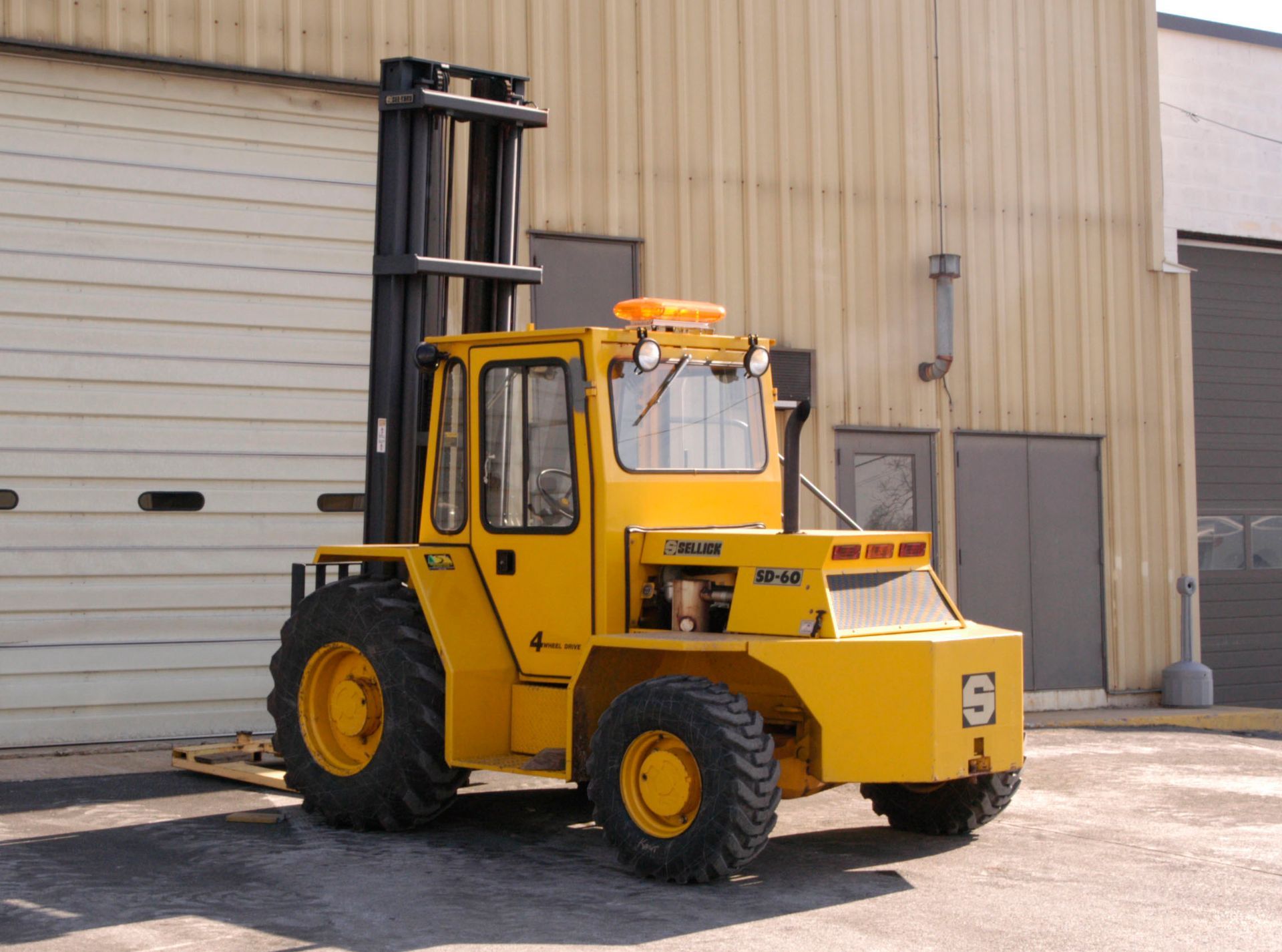
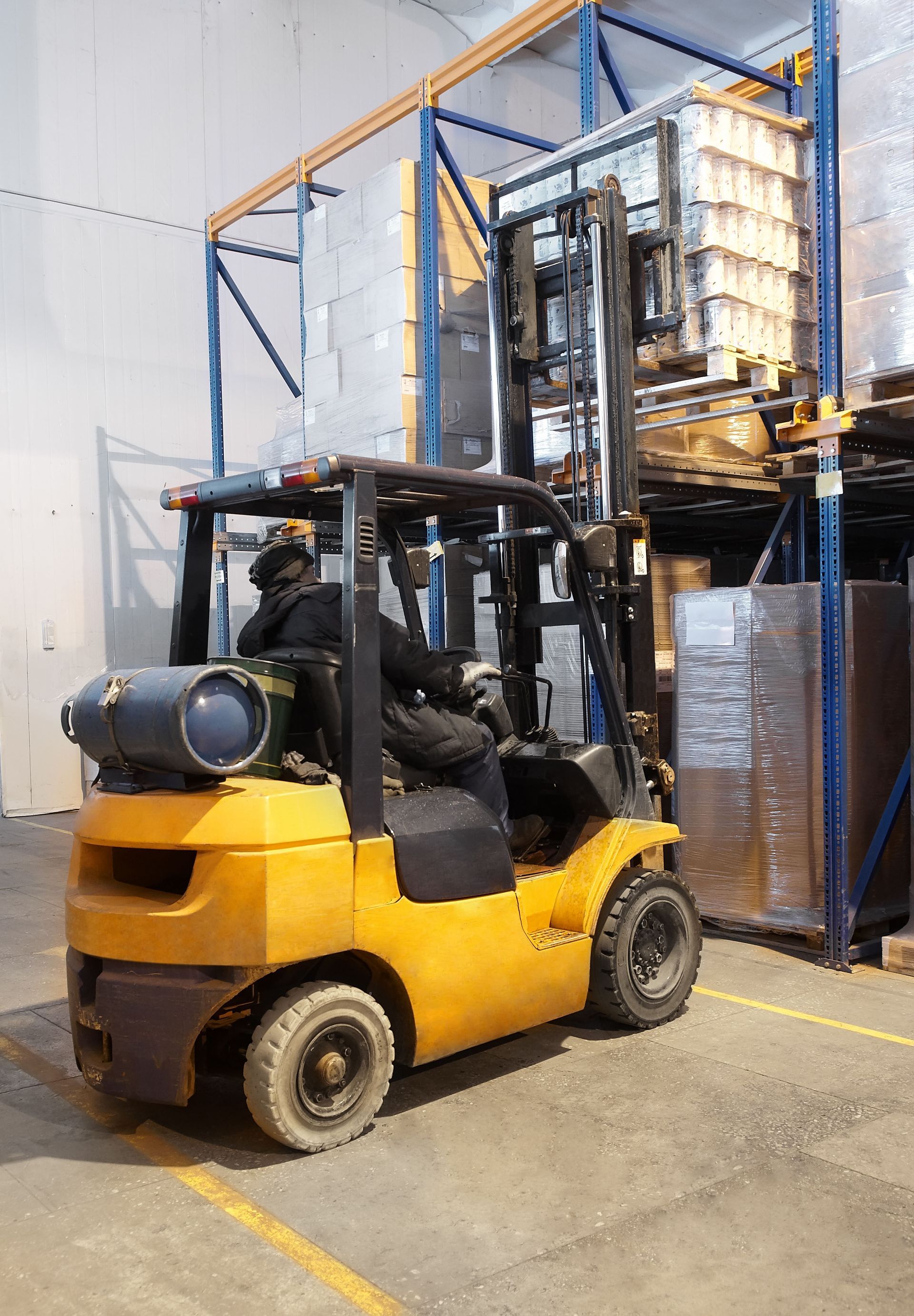
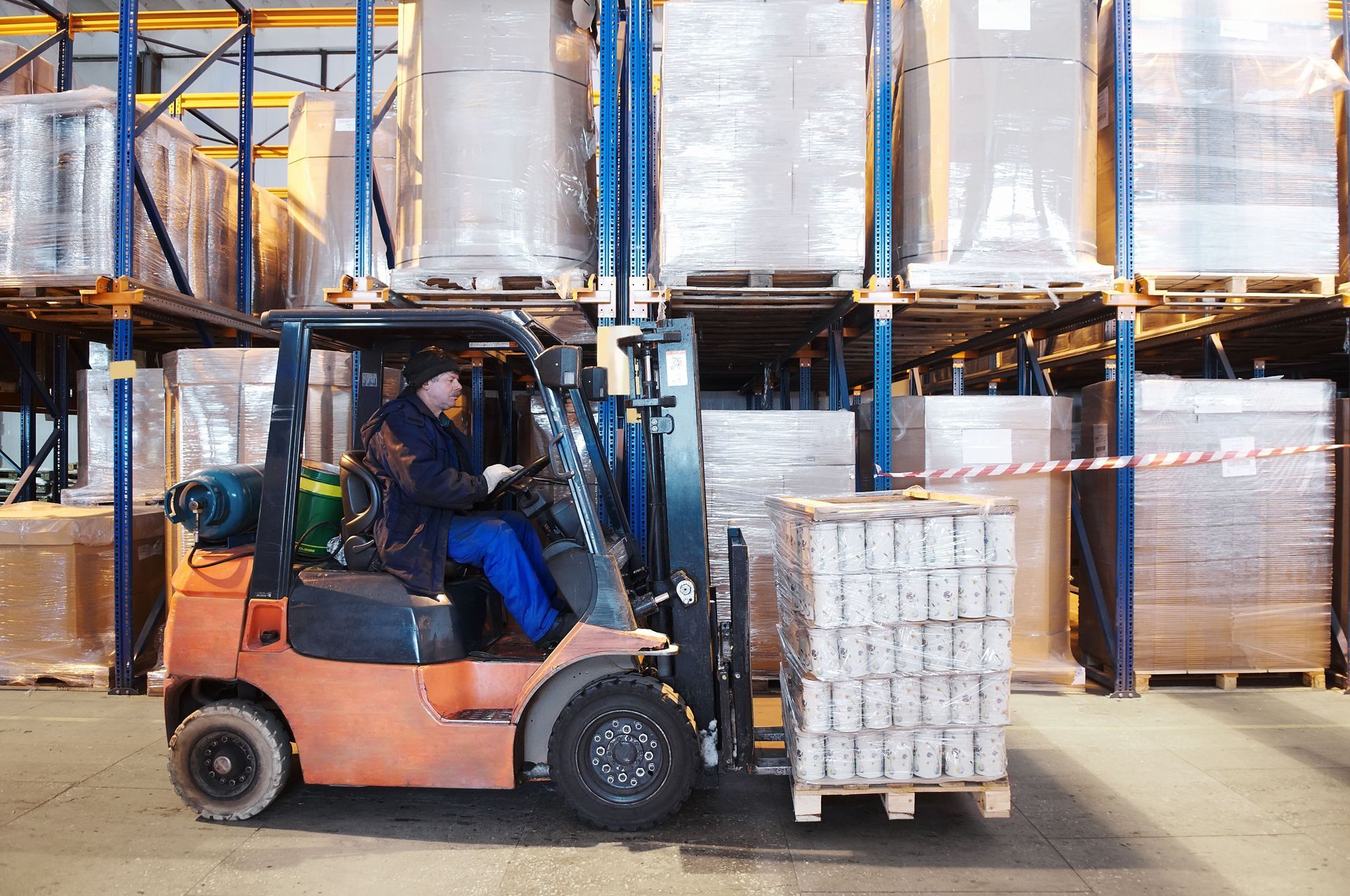
Counterbalance forklifts are the most common type of lift truck found in industrial operations today. Their straightforward design features a heavyweight built into the rear of the vehicle to offset the loads lifted on the front forks. This configuration allows them to lift and transport heavy materials efficiently without the need for stabilizing outriggers or straddle legs.
The overall versatility of counterbalance forklifts makes them indispensable assets in manufacturing units and distribution hubs. Because they can drive directly up to a load, operators benefit from clear forward visibility and straightforward maneuverability. They are available in a massive range of sizes and lifting capacities to accommodate diverse cargo requirements. When looking for versatile machinery, top forklift rental companies frequently recommend counterbalance units for their reliability and ease of use.
These forklifts provide excellent stability due to their low center of gravity and balanced weight distribution. Their capability to handle significant bulk loads makes them a vital component in heavy industrial sectors worldwide. According to Mordor Intelligence, forklifts with load capacity of 5 to 15 tons led the market in 2024, with a 42.10% share. This data highlights the widespread market reliance on robust, mid-to-high capacity counterbalance machinery to fulfill daily commercial operations.
1.2 Key Applications and Advantages
Counterbalance models excel in high-capacity environments like loading docks, freight terminals, and spacious storage yards. They are perfect for fast-paced operations where consistent performance and seamless indoor-outdoor transitions are necessary. Given their durable design, they can easily handle a wide array of load types, including standard pallets, heavy machinery components, and large storage crates. They assist with moving materials across different site levels quickly without compromising workplace safety standards.
The primary advantage of these units is their operational simplicity, which reduces operator training times and minimizes handling errors. They can be equipped with various specialized attachments to diversify their utility. Their heavy-duty construction delays normal wear and tear, ensuring long-term durability during intense shifts. Leading forklift rental companies keep a robust inventory of these units because they fit seamlessly into almost any standard commercial workflow.
1.3 Potential Drawbacks and Considerations
Despite their clear advantages, counterbalance forklifts face certain spatial limitations that must be carefully evaluated before deployment. Their heavy rear counterweights make them wider and longer than specialized warehouse equipment, meaning they require wider aisles to turn safely. This bulkiness can limit their mobility in high-density storage facilities where aisle space is minimized to maximize inventory. If your facility features narrow pathways, standard counterbalance models may slow down operations due to tight turning clearances.
Fuel selection also introduces specific operational variables regarding ventilation and ongoing energy costs. Internal combustion engine models deliver excellent power for outdoor tasks but generate emissions that prohibit prolonged indoor use. Conversely, electric models run cleanly and quietly indoors but require dedicated charging stations and downtime for battery replenishment. Balancing these operational factors ensures your business chooses the right power source for your specific working environment.
2. Reach Forklifts
2.1 Unique Features and Warehouse Benefits
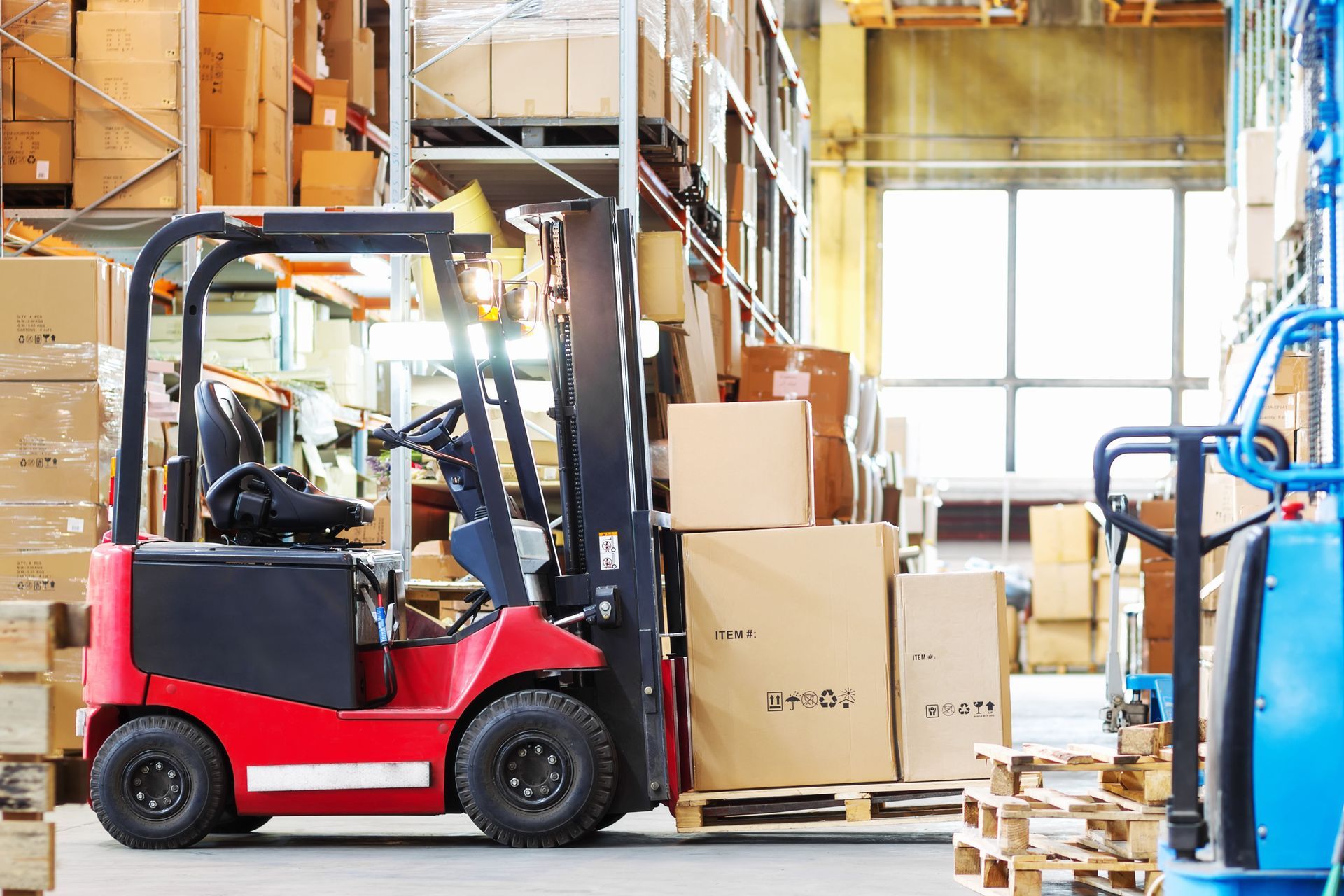
Reach forklifts are highly specialized machines engineered specifically for indoor navigation within high-density warehouse environments. They feature a compact chassis, cushioned tires, and an extendable mast mechanism that allows the forks to reach forward into deep racking. This unique design enables operators to retrieve pallets from multi-tier storage systems with extreme precision and stability. By utilizing vertical space effectively, businesses can significantly increase their total inventory capacity without expanding their physical building footprint.
The primary benefit of utilizing a reach truck is its ability to operate efficiently in narrow aisles where standard forklifts cannot fit. Their tight turning radius and specialized stabilizing systems ensure smooth operation on smooth, even concrete floors. Electric reach trucks produce zero emissions and minimal noise, creating a safer and more comfortable environment for warehouse personnel. Leading forklift rental companies often recommend these units for e-commerce fulfillment hubs and third-party logistics providers trying to optimize their square footage.
2.2 Practical Applications and Limitations
Reach trucks are the ideal choice for indoor facilities utilizing high racking systems that require frequent stock rotation. They excel at quick order picking, pallet stacking, and organizing retail goods for rapid distribution. Specialized versions, such as deep-reach or straddle trucks, allow facilities to store pallets two-deep, further maximizing storage density. Their integration into modern warehouse management systems helps businesses maintain a swift, organized, and accurate inventory workflow.
However, reach forklifts have strict limitations regarding the environments in which they can safely operate. Because they feature low ground clearance and small polyurethane wheels, they are strictly limited to smooth, flat indoor surfaces. Driving a reach truck on uneven outdoor asphalt or rough terrain can cause severe mechanical damage and compromise vehicle stability. Additionally, they generally possess lower weight capacities compared to heavy-duty counterbalance models, restricting them to lighter, palletized goods.
3. Pallet Jacks
3.1 Manual vs. Electric Models
Pallet jacks represent the most fundamental and compact style of material handling equipment used in modern commerce. Manual pallet jacks are highly economical tools that rely entirely on human power to lift and steer palletized loads. They feature a simple hydraulic pump handle and are perfect for low-volume applications, short transit distances, and tight storage spaces. Because they require minimal maintenance and no fuel, they are staple tools for small retail stockrooms and delivery trucks.
3.2 Strategic Implementation
Pallet jacks serve as excellent intermediary tools that bridge the gap between large lifting machinery and localized staging areas. They are frequently used to unload delivery trailers, organize staging zones, and transport goods directly to retail store shelves. Because of their lightweight design and small footprint, they can navigate highly congested spaces where larger forklifts would create dangerous blockages. Utilizing pallet jacks for short-distance transport prevents larger, more expensive forklifts from being tied up with basic material moving tasks.
Selecting the ideal industrial equipment requires a thorough understanding of your specific material handling challenges, spatial constraints, and load requirements. Whether your operations demand the heavy-lifting power of counterbalance trucks, the high-density efficiency of reach trucks, or the nimble portability of pallet jacks, aligning your fleet with your workflow is essential for long-term productivity. Evaluating these variables carefully prevents costly operational bottlenecks and ensures safer, more streamlined day-to-day warehouse logistics.
Partnering with experienced forklift rental companies gives your business the ultimate operational flexibility to adapt to changing seasonal demands and project scopes without heavy upfront capital investments. These specialized providers offer access to a diverse fleet of well-maintained, modern machinery tailored to both indoor and outdoor applications. By leveraging the expertise and comprehensive support of trusted forklift rental companies, you can confidently scale your operations, minimize equipment downtime, and maintain a highly efficient material handling workflow.