August 12, 2026
Choosing the right type of forklift is crucial for optimizing operations and enhancing productivity in any business that involves material handling. With various types of forklifts available, each suited for different applications, understanding the distinctions and advantages of each category can help you make an informed decision. This article explores X types of forklifts and provides insights to help you decide which type is best for your business needs.
The forklift market is continually evolving, driven by technological advancements and changing industry demands. As reported by Mordor Intelligence, the logistics sector commanded 28% of the forklift market revenue in 2024, reflecting the pivotal role of forklifts in logistics operations. Meanwhile, the retail and e-commerce sectors are experiencing a rapid growth rate of 12.4% CAGR projected up to 2030, which further emphasizes the need for efficient material handling solutions.
To navigate this dynamic market, it is vital for businesses to evaluate their specific operational needs, spatial constraints, and environmental conditions. This insight will guide the selection process, ensuring that the chosen forklift meets safety standards while enhancing productivity. Let's delve into the various types of forklifts to understand which might best suit your business requirements.
Counterbalance Forklifts
What Are Counterbalance Forklifts?
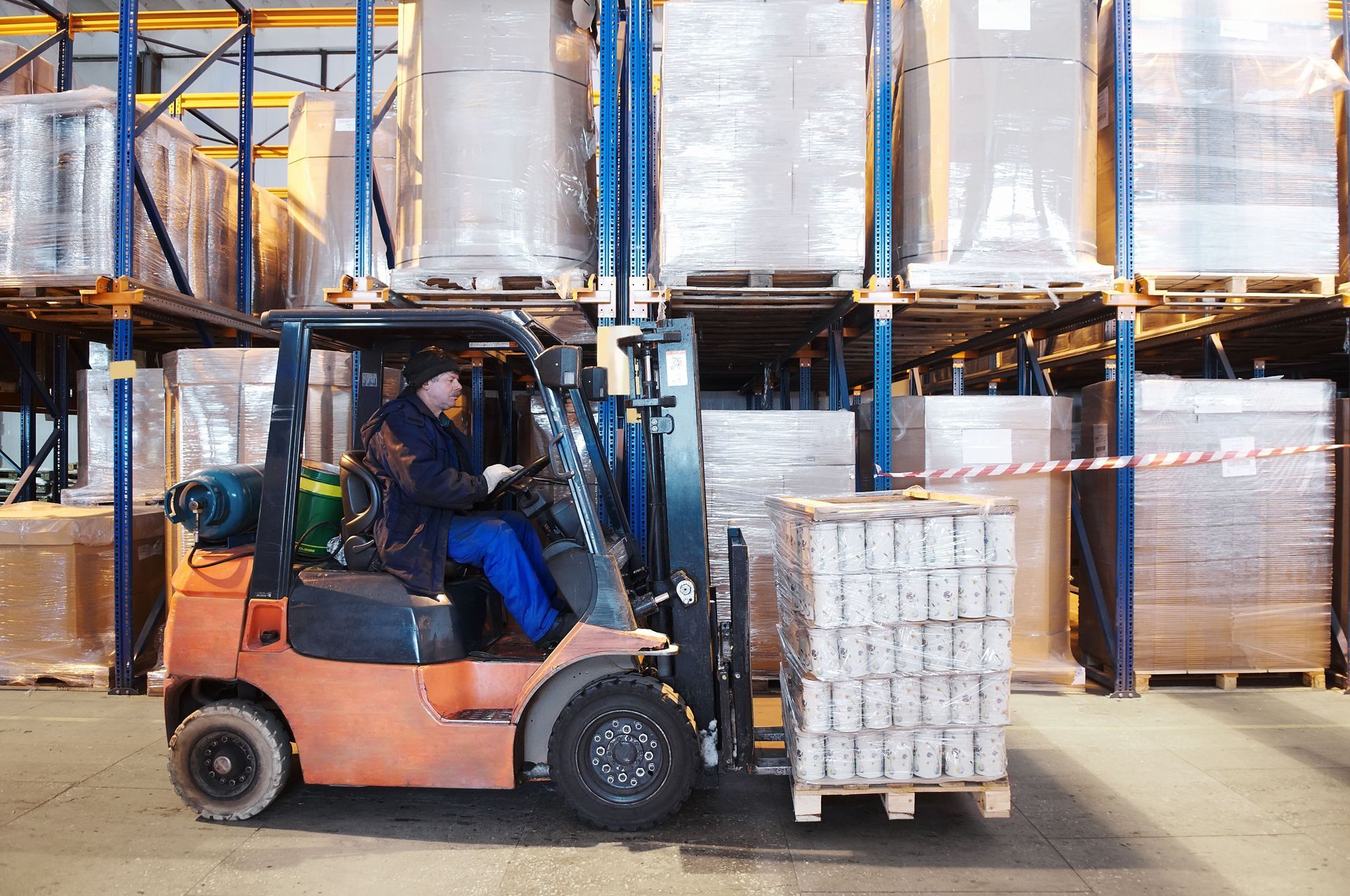
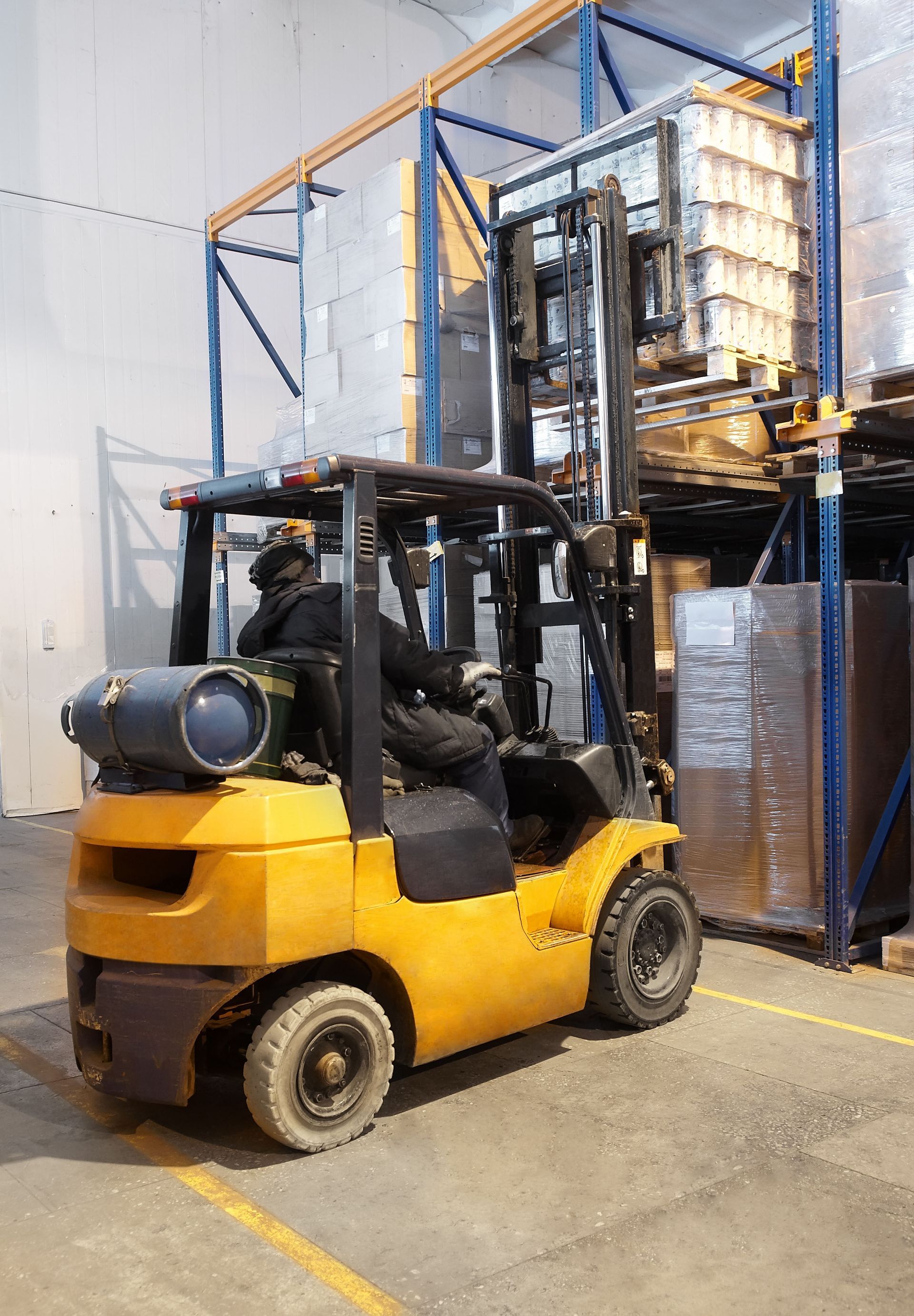
Counterbalance forklifts are the most common type of forklift used across various industries. They feature a straightforward design with front-mounted forks that balance the load using a counterweight at the back of the vehicle. This design allows them to drive directly up to the load without the need for things, making them ideal for tasks requiring simple operations. Their compact structure enables maneuverability in tight spaces, such as warehouses and manufacturing facilities. Typically, they are powered by diesel, gas, or electricity depending on the application requirements.
Key Features and Specifications
Counterbalance forklifts come equipped with a variety of features and specifications to suit different operational needs. They have a load capacity ranging from 1,500 to over 15,000 pounds, depending on the model and design. The lifting heights can vary, allowing for flexibility in reaching different vertical storage areas. They are often fitted with pneumatic or cushion tires, the choice of which depends on whether the operation is indoors or outdoors. Additionally, many models offer ergonomic features designed to increase operator comfort and reduce fatigue during long shifts.
Advantages and Disadvantages
These forklifts are favored for their versatility and adaptability to various tasks. One of the significant advantages is their ability to handle multiple load sizes and weights, making them a reliable choice for many businesses. However, they are also known for having a larger turning radius compared to other types, such as reach trucks. This can present challenges in extremely tight spaces. Additionally, the use of internal combustion counterbalance forklifts can lead to emissions, which may not be suitable for operations requiring zero or low emissions.
Reach Trucks
Understanding Reach Trucks
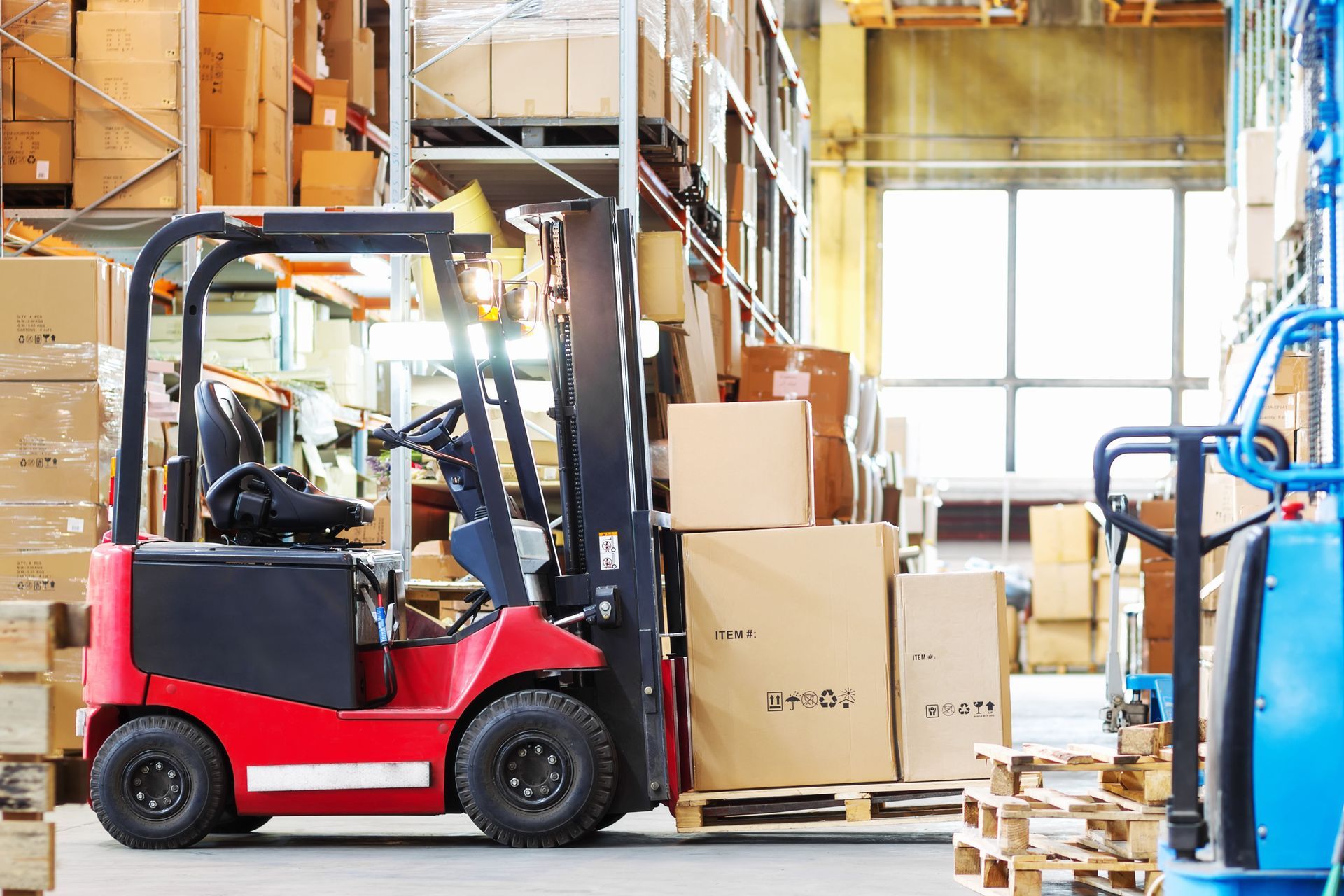
Reach trucks are specially designed forklifts used primarily in warehouse operations to navigate narrow aisles and high shelving units. Their ability to extend their forks allows for accessing loads stored deeply into racks. This capability is facilitated by their “reach” mechanism, hence the name reach trucks. They feature a unique mast design that can tilt forward or backward to stabilize loads during transport. The compact chassis and zero-turn radius contribute to superior maneuverability in restricted spaces, making them indispensable in high-density storage environments.
Performance Characteristics
Reach trucks are distinguished by their performance characteristics that cater to specialized warehouse needs. They usually offer a load capacity of up to 5,000 pounds and can reach heights over 30 feet. Equipped with battery-powered electric motors, they ensure sustainability and energy efficiency. Many reach trucks come with additional features such as advanced electronic controls and ergonomic operator compartments, enhancing both precision and operator comfort. These trucks are also known for rapid speed capability and enhanced visibility, both crucial for high-efficiency warehouse operations.
Pros and Cons
The primary advantage of reach trucks is their operational efficiency in confined spaces and their ability to access high storage without needing considerable space. This makes them a perfect fit in warehouse environments dominantly driven by vertical storage solutions. On the downside, their specialized design limits them to indoor usage and environments with flat surfaces, as they aren't suitable for rough terrain. Another consideration is their dependency on battery life, which necessitates planning in terms of charging or battery swapping during multiple shifts.
Pallet Jacks
Introduction to Pallet Jacks
Pallet jacks are the simplest form of forklifts used for moving pallets within a warehouse or on a shop floor. These are often manually operated, featuring a handle used to jack up the pallets for moving. Due to their lightweight and compact design, they are highly portable and can be easily maneuvered in confined spaces. Electric-powered versions are also available, providing additional lift power and ease of use for heavier loads. Pallet jacks are particularly suited for short-distance material handling, offering a cost-effective solution for basic tasks.
Features and Variants
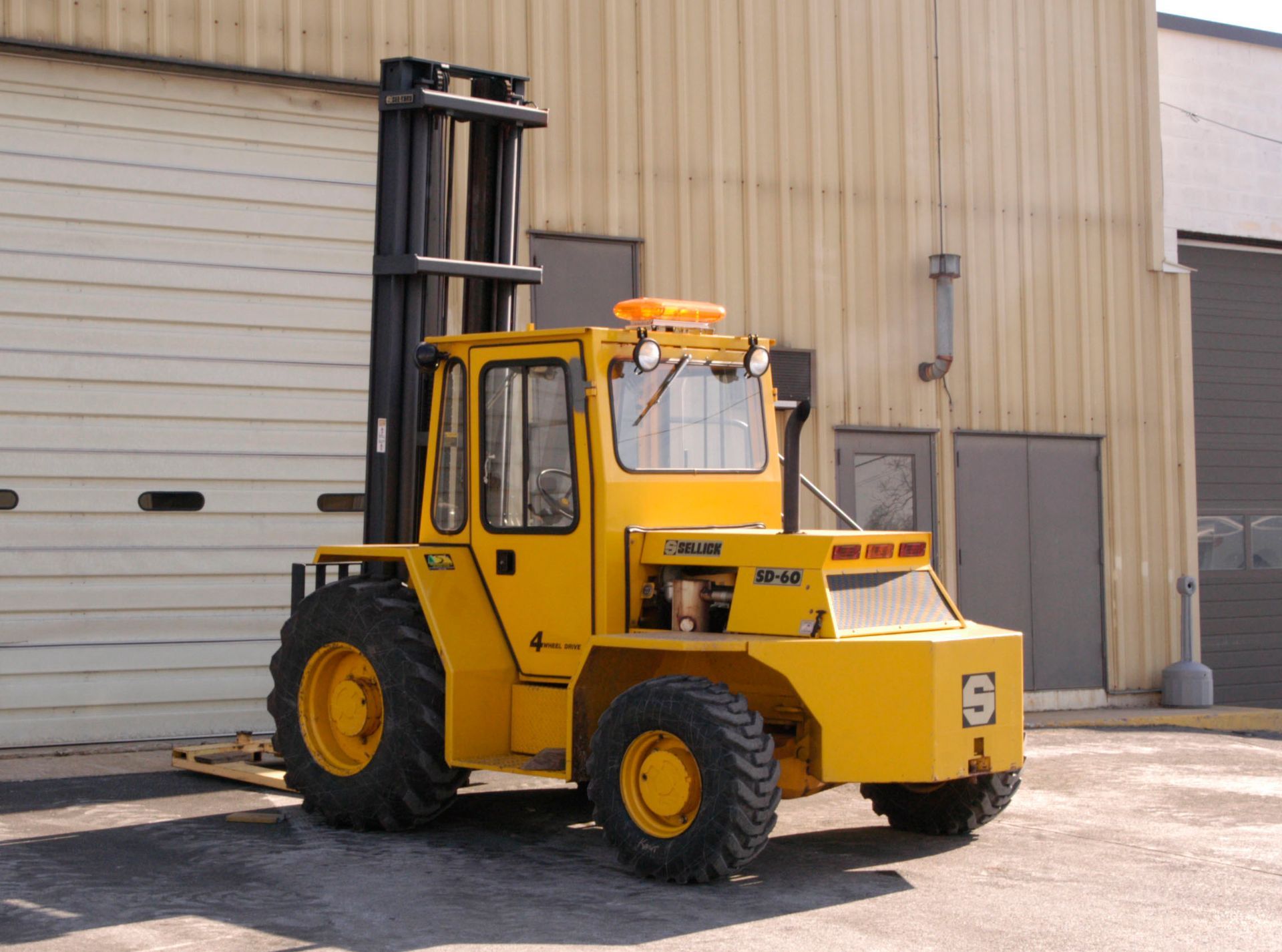
There are several variants of pallet jacks to cater to different operational needs, including manual, electric, and rough terrain models. Manual pallet jacks require physical effort to lift and move pallets, which can be labor-intensive over long periods. Electric pallet jacks provide motorized assistance, reducing the physical strain on operators and allowing for higher productivity. Rough terrain models are designed with pneumatic tires and reinforced frames to handle uneven surfaces and outdoor conditions. Key features typically include adjustable fork widths, advanced steering mechanisms, and safety enhancements like brake systems.
Benefits and Drawbacks
Pallet jacks offer a low-cost entry point for businesses needing basic material handling capabilities, and their simplicity makes them easy to operate with minimal training. They are excellent for light-duty tasks and quick pallet relocation, particularly in small to medium-sized businesses. However, they are limited in their lifting height and weight capacity, making them unsuitable for heavy-duty lifting or stacking tasks. Additionally, electric pallet jacks, while reducing manual effort, require regular battery maintenance and may involve higher upfront costs compared to manual versions.
Order Pickers
Overview of Order Pickers
Order pickers are specialized forklifts designed for efficient picking and access to individual items stored at various heights. Unlike traditional forklifts that handle pallets, order pickers are intended for level access to racks, allowing operators to pick single units. They are widely utilized in distribution centers and e-commerce operations where individual order fulfillment is critical. The design typically includes a platform that lifts both the operator and the load to the desired picking height. This feature facilitates efficient sorting and loading processes.
Choosing the appropriate type of forklift for your business can significantly impact productivity, efficiency, and safety. By understanding the features and intended applications of each forklift type discussed in this article, businesses can make informed decisions that suit their operational needs, spatial constraints, and industry requirements. Consider the unique advantages and limitations of each type when selecting the best fit for your business.
The evolving market and increasing importance of sustainability considerations further emphasize the necessity for careful decision-making. With logistics maintaining a dominant market share and industries like retail and e-commerce rapidly expanding, forklifts must align with broader business objectives, including efficiency, cost-effectiveness, and eco-friendliness. Businesses must remain adaptive, frequently re-evaluating their equipment to align with industry trends and technological advancements.
Ultimately, whether you choose trucks, pallet jacks, order pickers, rough terrain, or electric forklifts, the right choice will depend on thorough analysis and alignment with your operational goals. As the industry moves forward, investing in the right forklift technology will continue to offer businesses a competitive edge, enhancing their ability to meet evolving customer demands efficiently and sustainably. According to Mordor Intelligence, logistics commanded 28% of the forklift market revenue in 2024 while retail and e-commerce are growing fastest at 12.4% CAGR to 2030. Be sure to reach out to Houston Forklifts/Somerset Equipment Sales Inc today to learn more about our professional forklift sales!