April 14, 2026
Deciding whether to rent or buy heavy equipment like forklifts can have a significant impact on your business's efficiency, cash flow, and long-term success. In many situations, renting may offer benefits that ownership cannot match, especially for businesses with fluctuating needs. Understanding when forklift rental is the smarter choice helps you optimize operational costs and focus on growth.
Seasonal or Short-Term Needs
One of the most common reasons businesses choose to work with forklift rental companies is when their equipment needs are seasonal or temporary. For example, warehouses may require extra lifting capacity during peak demand periods like the holiday season, but not throughout the year. Buying a forklift outright for six to eight months of use can quickly become a poor financial decision when that machine sits idle for the rest of the year.
Renting allows businesses to scale up capacity only when necessary without tying up capital in equipment that won't be used consistently. It also eliminates the burden of storage, upkeep, and depreciation during off months. For companies with predictable ebbs and flows in workload, forklift rentals provide flexibility that aligns with real operational patterns.
Uncertain Project Duration
In construction, manufacturing, or logistics, project timelines can shift due to supply delays, weather, or client changes. When the duration of a project is uncertain, purchasing heavy equipment like forklifts can expose your business to risk. A machine bought for one project might not be needed once that project ends under revised timelines.
According to Reservety, rental construction equipment helps companies save about 30-50% of the total cost of ownership. That's a powerful incentive for businesses hesitant to commit to full purchase costs without guaranteed long-term use. Renting through forklift rental companies allows you to align your expenditure with actual project needs and avoid paying for downtime or unused assets.
Rapidly Evolving Technology
Technology evolves fast, even in industrial equipment. New forklifts come with improvements in safety, emissions standards, fuel efficiency, automation capabilities, and operator comfort. Investing a large sum in a new machine can lock a business into outdated tech if advancements soon render that model less competitive or efficient.
Forklift companies typically update their fleets regularly to meet market demand and safety requirements, giving renters access to newer models without the cost of depreciation. This access ensures that projects benefit from innovation without the heavy investment. You gain flexibility to test new equipment types before committing, and you can switch models easily if your operational needs change.
Limited Maintenance Resources
Owning a forklift means you are responsible for routine maintenance, repairs, inspections, and parts replacement. For small businesses or firms without a dedicated maintenance team, this responsibility can quickly become overwhelming and costly. Scheduled services, storage of spare parts, and emergency repair situations add both labor and financial burdens.
Rental agreements with forklift rental companies often include maintenance, servicing, and breakdown support as part of the package. This means your team can focus on core tasks while professionals ensure the equipment stays in top condition. The cost of maintenance is baked into the rental rate, providing predictability that supports more accurate budgeting and reduces the risk of unexpected expenses.
Lower Upfront Capital Requirement
Purchasing a forklift typically involves a substantial upfront investment that can impact cash flow and financial flexibility. For startups, seasonal operators, or businesses in growth phases, conserving capital is critical. Committing significant cash toward equipment purchase may limit your ability to invest in staff, technology, or other operational improvements.
Renting from forklift companies requires a much smaller initial outlay, freeing up capital for other strategic investments. This allows businesses to remain agile and responsive to market changes without the financial entanglement of equipment ownership. Lower upfront cost also reduces the barrier to entry for smaller companies that might otherwise struggle to compete.
Testing Before Buying
Forklift rental is an effective way to evaluate specific models or features before committing to a purchase. If you're unsure whether a particular capacity, power source, or configuration suits your workflow, renting provides a real-world trial without risk.
You can assess performance under typical conditions, gather operator feedback, and then make an informed buying decision based on experience rather than speculation. Forklift rental companies often provide a variety of models, giving you a comparative view that isn't possible when buying a single machine outright.
Projects With Specialized Requirements
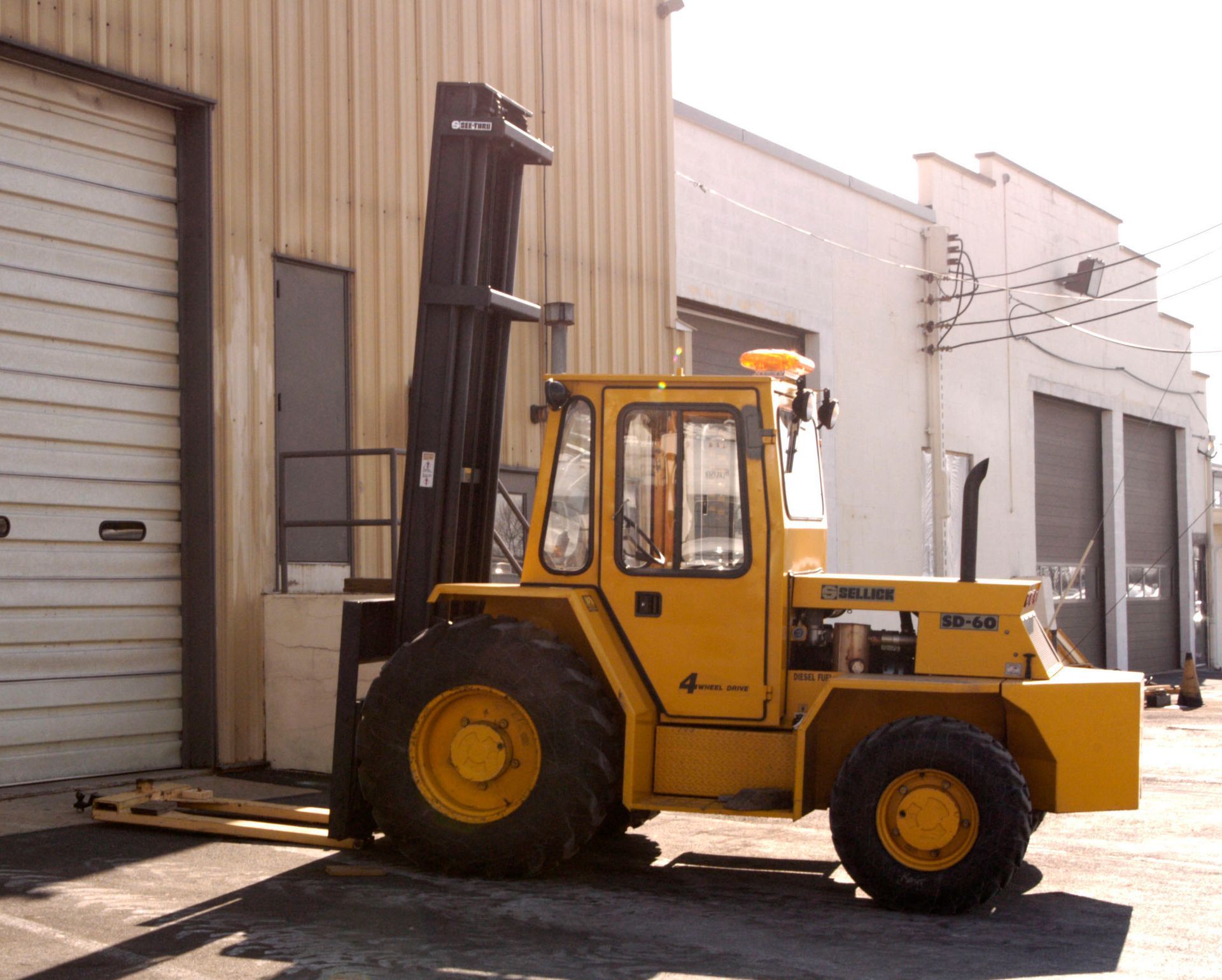
Some jobs require specialized forklifts that you might never need again once that project is complete. Examples include heavy lift capacities, narrow aisle machines, rough terrain forklifts, or units designed for hazardous environments. Purchasing specialized equipment for occasional use is rarely cost-effective.
Rather than dedicating capital to a machine with limited utility, renting allows businesses to access specialized solutions only when required. Forklift rental companies stock diverse fleets to meet niche demands, ensuring you have the right tool for the job without long-term ownership costs. This flexibility enhances productivity and reduces wasteful spending.
Avoiding Depreciation
Like all industrial equipment, forklifts lose value over time through depreciation. When you purchase, that depreciation is absorbed by your business-and it continues regardless of whether the machine is actively used. Over several years, the resale value of a forklift can drop significantly, erasing much of its initial investment value.
In contrast, renting avoids depreciation entirely because you are paying for usage, not ownership. Periodic rentals keep your balance sheet free of long-term assets that decline in value. This can be especially beneficial for companies that prioritize operational expense models or want to maintain stronger financial ratios.
Flexibility for Growing Businesses
Fast-growing businesses need flexibility to adapt to changing workloads, locations, and operational demands. Buying equipment ties you to specific assets that may not align with evolving needs. Conversely, rental agreements allow you to adjust capacity quickly and easily.
Whether expanding into new facilities, taking on large contracts, or onboarding seasonal work, forklift rentals provide the adaptability required for scaling operations. You gain the ability to match equipment size and type with actual business conditions. This ensures your operations remain efficient without the complications of asset management.
Reduced Storage and Handling Costs
Storing equipment when it's not in use adds cost and logistical challenges. Warehouses, outdoor lots, or secure yards may be necessary to house forklifts when they aren't actively needed. Owning means you bear that burden. Renting means you use the equipment when you need it-and the rental company handles storage between jobs.
This eliminates unnecessary infrastructure costs associated with storage, security, and insurance tied to unused equipment. It's a practical advantage, especially for companies with limited on-site space or those without facilities designed to house large machinery between projects.
Easy Access to Replacement Units
Breakdowns can happen, especially on busy work sites. A critical advantage of renting is quick access to replacement units. Forklift companies can often swap out machines or deliver temporary replacements to keep your job moving. Owning equipment means you're left waiting for repairs, which can lead to costly downtime and lost productivity.
Renting a forklift makes sense when flexibility, cost savings, and operational efficiency are priorities-especially for seasonal needs, project-based work, or businesses with fluctuating demand. Partnering with forklift rental companies provides access to modern equipment, reduced risk, and scalable solutions that align with real business needs. Understanding when to rent instead of buy helps you save money, manage resources wisely, and focus on what matters most-growing your business. Contact Houston Forklifts/Somerset Equipment Sales Inc to learn more about renting a forklift today!