December 23, 2025
Forklifts have become indispensable in various work environments due to their ability to significantly boost efficiency, safety, and productivity. Whether in a warehouse, construction site, or retail setting, forklifts are pivotal tools that enhance operational workflows. Organizations and workers alike are increasingly recognizing the value of forklifts, leading to substantial investments aimed at refining business operations.
In an era where efficiency is paramount, forklifts offer the capability to move heavy materials quickly and safely, reducing downtime and freeing up personnel for other tasks. They are equipped with features that protect workers from strenuous manual labor, hence minimizing associated physical injuries. Understanding the multifaceted advantages that forklifts offer helps both employers and employees make informed decisions about their utility and integration into workplace routines.
This article delves into the crucial reasons to invest in forklifts, discussing how they enhance efficiency, promote safety, offer financial savings, serve diverse industries, incorporate advanced technologies, and ensure industry compliance. With over 33.8 million forklifts in use globally, according to Market Growth Reports, their widespread adoption is a testament to their transformative impact across sectors.
Enhancing Workplace Efficiency
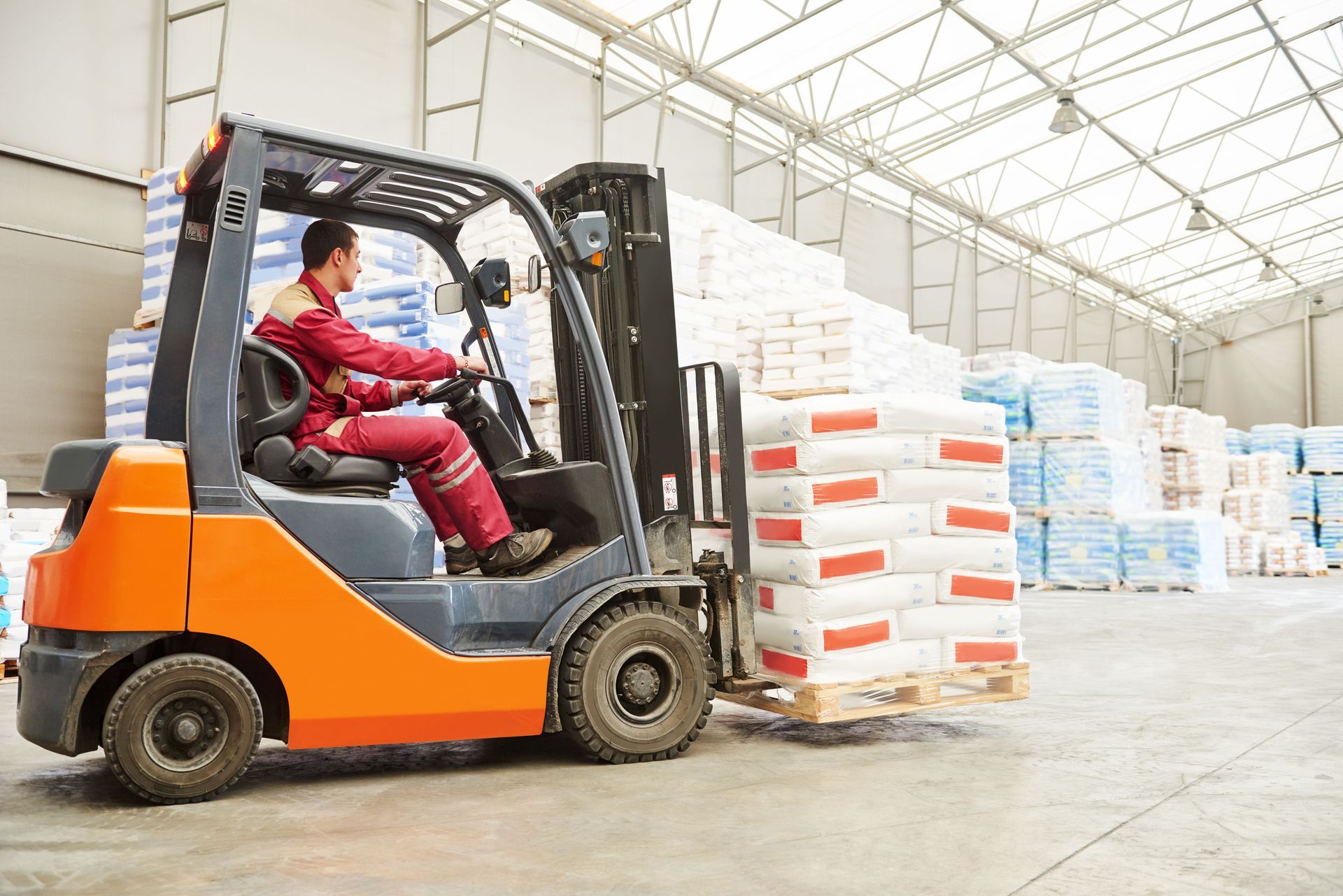
Forklifts play a cardinal role in streamlining material handling processes. They efficiently lift and move items that would otherwise require significant human effort, reducing the need for extensive manual labor. The mechanization of these tasks results in faster completion times and optimizes the workflow in facilities where material movement is frequent. As a result, employees can focus on more specialized tasks, thus enhancing the overall productivity of the operation. In industries with high material throughput, forklifts expedite processes that would traditionally slow down operations, thereby promoting a steadier pace of activity.
Moreover, forklifts are specifically designed to handle heavy and bulk materials, proving themselves essential in environments where such items are prevalent. Their ability to move large volumes in a controlled manner minimizes the mishandling and damage of goods, preventing potential financial losses. The robustness and precision of forklifts are unmatched compared to manual handling, ensuring that materials are transported securely. This efficiency not only betters the speed of material handling but also the quality, as the equipment supports the safe transfer of valuable goods. Consequently, forklifts become instrumental in minimizing wastage and enhancing the reliability of logistics operations.
Forklifts also play a key role in meeting the challenges posed by dynamic and high-paced workplaces. When dealing with heavy goods, the speed at which forklifts can lift and transport items ensures consistently high operational throughput. This capability is complemented by various lift and tilt options that forklifts possess, allowing operators to navigate and manipulate materials with relative ease. Forklift operators, backed by comprehensive training, can manage these tasks with precision, further enhancing the advantage forklifts offer in fast-paced environments. Therefore, forklifts become a pivotal component in fostering an efficient work culture that leverages technology to maximize input and output.
Promoting Safety and Reducing Injuries
Forklifts are crucial in minimizing lifting strain, a common source of injury and discomfort in physically demanding work environments. The manual lifting and moving of heavy items pose significant health and safety risks that forklifts mitigate effectively. By taking over heavy lifting responsibilities, forklifts relieve workers of undue physical stress, significantly reducing instances of musculoskeletal injuries. This mechanization of tasks not only enhances worker safety but also promotes a culture of health and wellness within the organization. Prioritizing ergonomic solutions through forklifts reflects a commitment to safeguarding the workforce and fostering a safe work environment.
Investing in forklifts is synonymous with investing in employee well-being. As forklifts streamline the movement of heavy goods, they reduce the need for manual handling, allowing workers to focus on less physically taxing tasks. This emphasis on ergonomic efficiency not only decreases injury rates but also enhances worker productivity and satisfaction. Employees equipped with the right tools experience increased confidence in their safety, leading to a more motivated and engaged workforce. Ultimately, forklifts serve as a symbol of operational safety, empowering businesses to prioritize both productivity and the welfare of their workers.
Cost-Effectiveness and Financial Savings
Forklifts can significantly decrease labor costs by automating tasks traditionally reliant on human labor. The shift from manual labor to mechanized processes enables businesses to reduce staffing needs for material handling tasks, translating to substantial labor cost savings over time. Forklifts streamline operations by efficiently transporting goods across facilities, enabling fewer workers to accomplish more within the same timeframe. This increase in operational efficiency minimizes reliance on a larger workforce while sustaining output levels, providing valuable cost savings for businesses seeking to optimize resources. Consequently, forklifts emerge as strategic investments that yield favorable returns in labor.
Forklifts can significantly decrease labor costs by automating tasks traditionally reliant on human labor. The shift from manual labor to mechanized processes enables businesses to reduce staffing needs for material handling tasks, translating to substantial labor cost savings over time. Forklifts streamline operations by efficiently transporting goods across facilities, enabling fewer workers to accomplish more within the same timeframe. This increase in operational efficiency minimizes reliance on a larger workforce while sustaining output levels, providing valuable cost savings for businesses seeking to optimize resources. Consequently, forklifts emerge as strategic investments that yield favorable returns in labor optimization and operational efficiency.
Versatility Across Industries
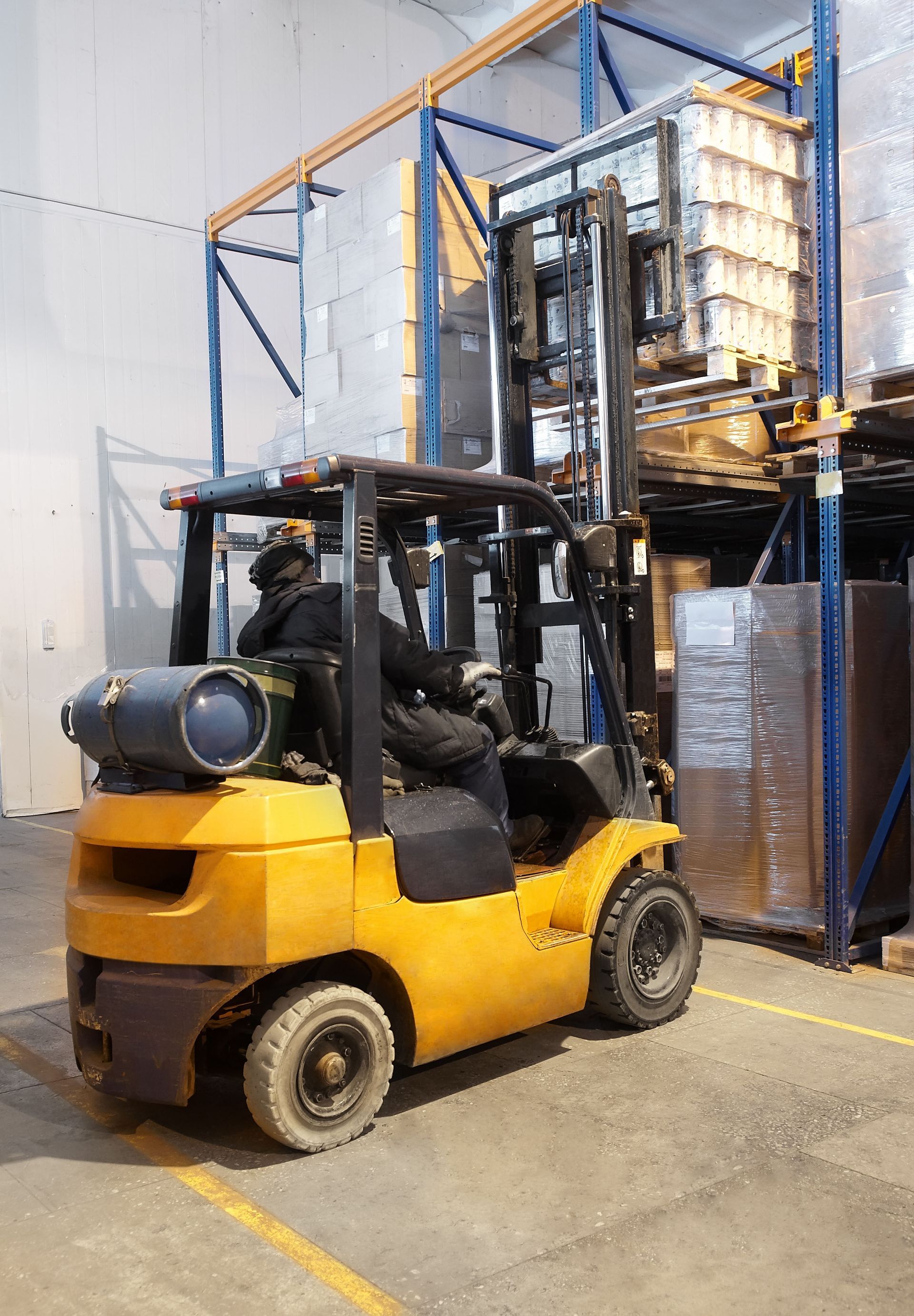
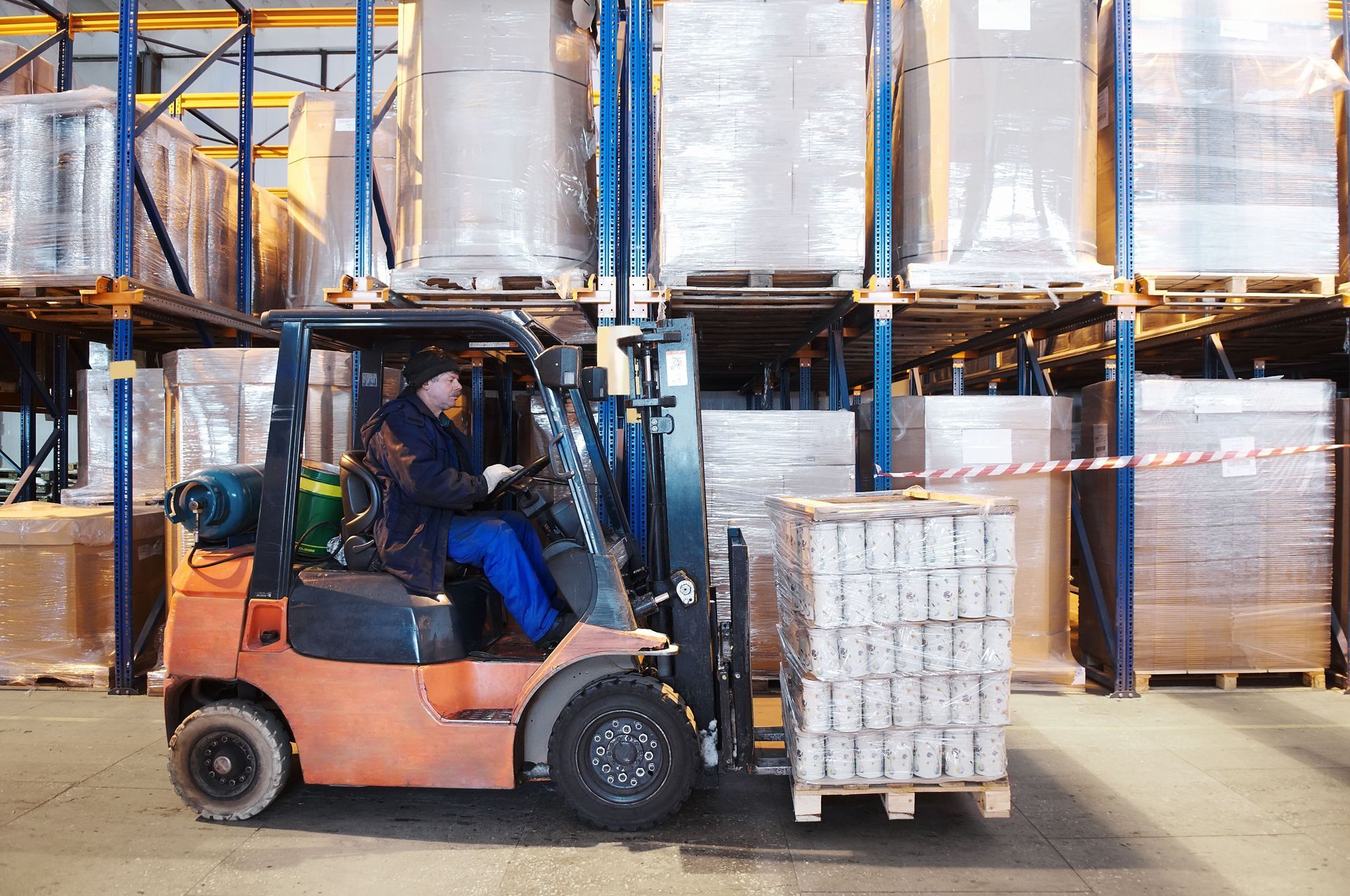
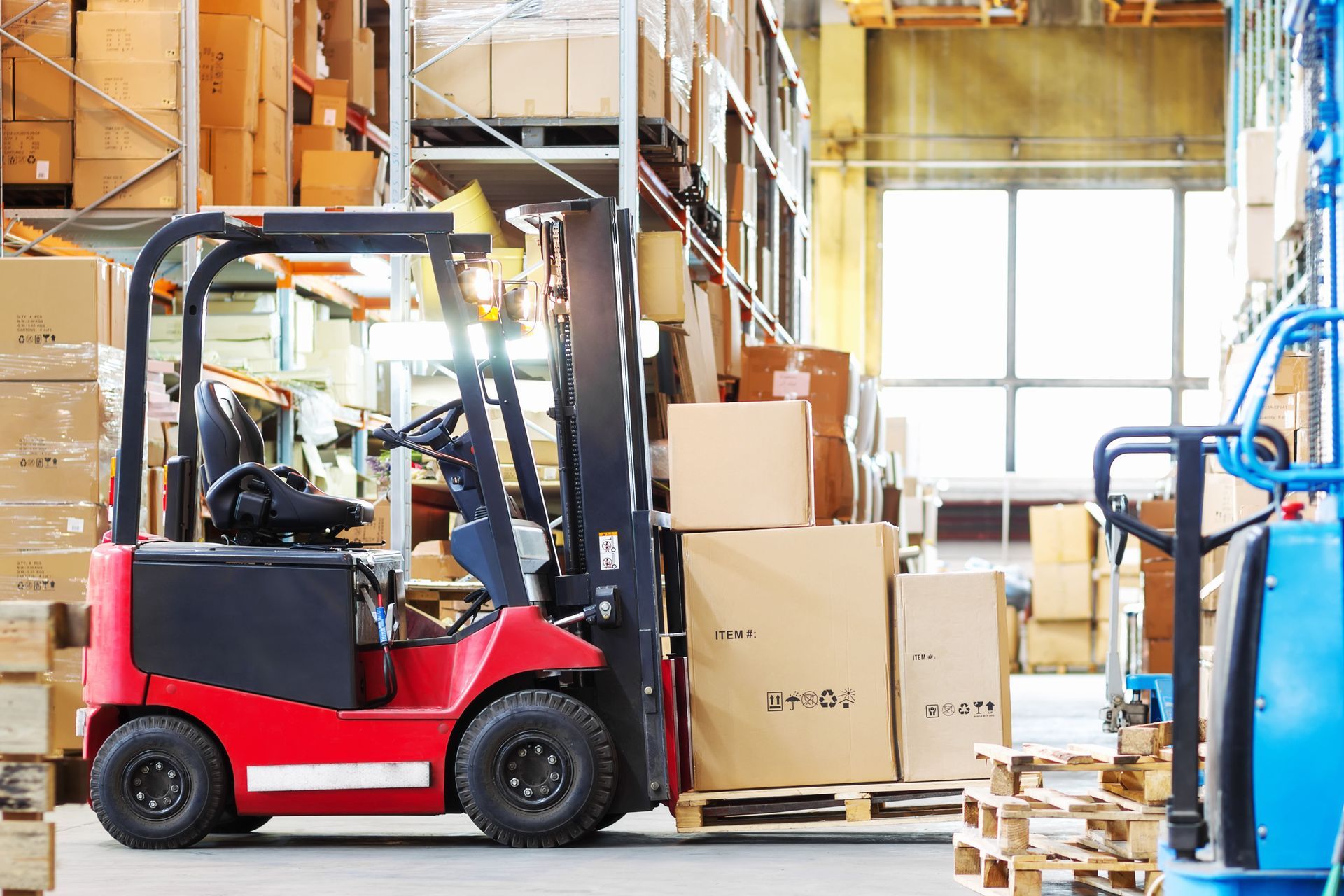
One of the most compelling reasons to invest in forklifts is their versatility across a wide range of industries. From warehousing and logistics to construction, manufacturing, and retail, forklifts are integral to the smooth operation of diverse sectors. Their adaptability allows organizations to customize forklift configurations based on specific operational needs, including reach trucks for narrow aisles, pallet jacks for smaller spaces, and heavy-duty forklifts for industrial applications. This flexibility ensures that businesses can deploy forklifts effectively, regardless of the scale or complexity of their operations.
In manufacturing, forklifts facilitate the efficient movement of raw materials and finished goods, streamlining the production process and reducing downtime. In retail and warehousing, they are critical for restocking shelves, managing inventory, and ensuring timely order fulfillment. Construction sites benefit from forklifts by enabling the rapid movement of building materials and heavy equipment across uneven terrain. Even in specialized industries like food processing or pharmaceuticals, forklifts designed with sanitation-friendly features and precise controls ensure that materials are handled safely and efficiently. This cross-industry applicability highlights forklifts as indispensable assets that adapt to operational demands and improve productivity across diverse sectors.
Technological Advancements and Automation
Modern forklifts have evolved far beyond simple lifting machines. Technological advancements have introduced features such as automated guided vehicles (AGVs), telematics, collision detection systems, and ergonomic enhancements, significantly increasing both safety and efficiency. AGVs, for instance, are capable of navigating warehouse floors autonomously, reducing human error and ensuring consistent operational flow. Telematics systems provide real-time data on forklift performance, fuel usage, and maintenance needs, enabling managers to make data-driven decisions that optimize fleet performance and reduce downtime. These technological innovations allow forklifts to serve not only as manual tools but as integral components of smart, automated logistics systems.
Forklifts with advanced safety features also contribute to regulatory compliance and operational reliability. Proximity sensors, automatic braking systems, and load stability monitors minimize accidents and ensure adherence to workplace safety standards. Ergonomically designed cabs and controls further reduce operator fatigue, enhancing precision and efficiency during extended shifts. As industries increasingly adopt digital transformation strategies, integrating forklifts equipped with modern technologies allows businesses to remain competitive while meeting evolving safety and efficiency benchmarks. The combination of automation, data analytics, and smart safety systems makes contemporary forklifts powerful assets that transform material handling into a seamless, optimized process.
Investing in forklifts is not merely a matter of equipment acquisition; it is a strategic decision that supports long-term operational efficiency, workforce safety, and financial optimization. Organizations that leverage forklifts effectively position themselves to achieve higher productivity, lower costs, and a safer, more organized workplace. As industries continue to evolve and the demand for streamlined, safe material handling grows, forklifts will remain a vital component of business operations, delivering measurable value and fostering sustainable growth. For more information about the services that we offer, reach out to our incredible team at Houston Forklifts/Somerset Equipment Sales Inc today!